Trade show ROI starts long before you sign an order form or pick a part number. Every winter, farmers walk into trade show season with a mix of curiosity and caution. The halls are full of big claims, polished equipment, and familiar promises of more capacity, better grain quality, and less loss. Underneath all of that sits the same quiet question almost every farmer carries. If I spend money on my combine this year, will it make my harvest better, or just more expensive?
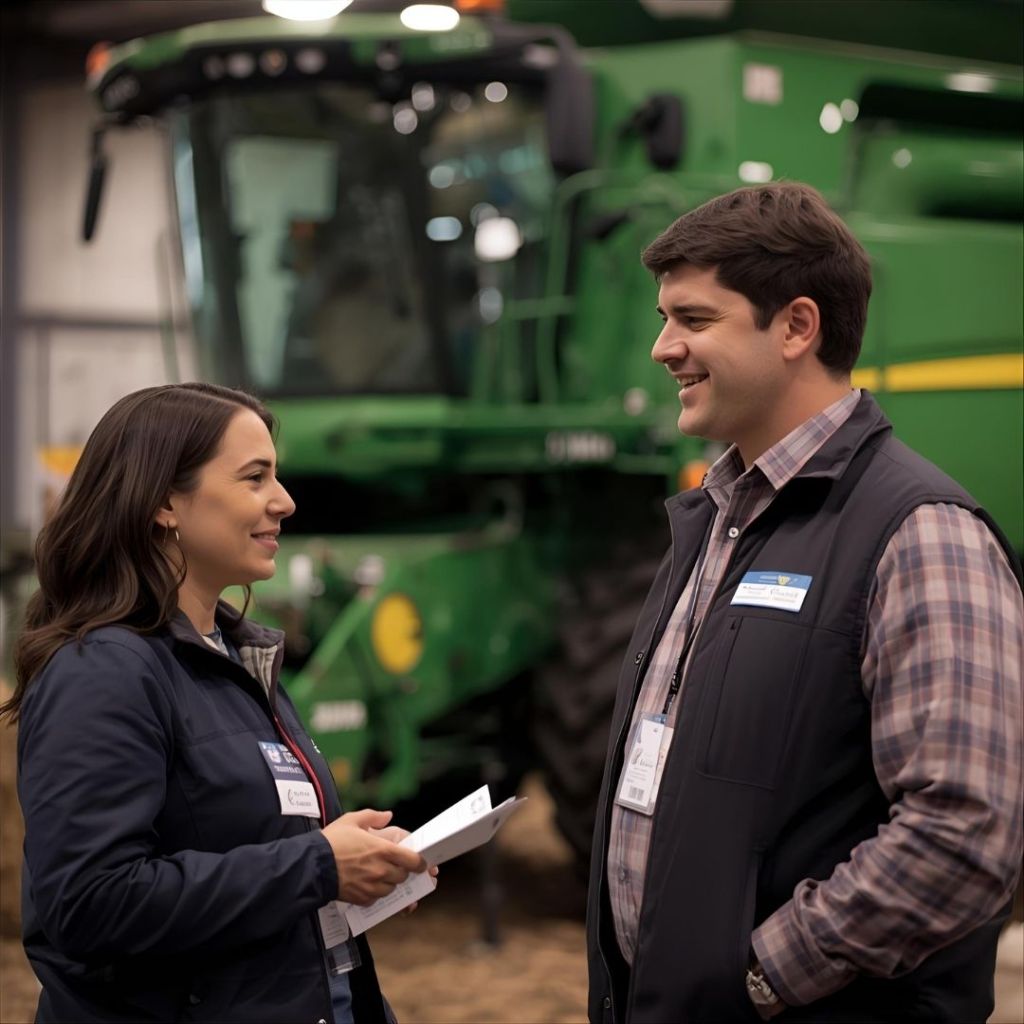
That question shapes nearly every conversation I have at shows like Western Canadian Crop Production, Brandon Ag Days, Agri-Trade, Agritechnica, and Ag in Motion. As an exhibitor, I have learned that the most productive conversations do not start with features or comparisons. They start when a farmer tells me what is really happening in their fields. It might be slowing down in tough straw, swapping concaves more often than they would like, or dealing with late night plug ups that cost time and patience. Those moments open the door to talk about problems that genuinely matter.
Why trade show ROI depends on better questions
Almost every time, the conversation eventually circles back to the same thing. Someone asks, “So why your product instead of the competitor’s?” It is a fair question, but it often skips an important step.
What I have learned is that the best answer is not a polished pitch. Instead, I ask the farmer what value matters most to them. Do they want fewer concave changes? Do they want to stop crawling through tough conditions? Do they want fewer breakdowns at the worst possible moments?
When farmers start naming the things that actually cost them money and energy, the whole tone changes. The conversation moves from a brand comparison to a real discussion about return on investment in harvest terms. That is where trade show ROI actually begins.
This mindset helps both sides of the table. Farmers gain clarity about what truly needs to change. Dealers get a much better picture of what the farmer really needs, not just what is shiny or new. Too often, sales conversations default to features or specs that do not line up with the farmer’s real pain points. When a dealer slows down, asks questions, and digs into what is holding the farmer back, better answers follow.
The real decisions are made in winter
The truth is that winter is when ROI decisions are made, long before the crop is ready. A combine inspection or a conversation at a booth can lead to one of two outcomes. It can become an expense that feels heavy. Or it can become an investment that pays back through smoother days, better performance, and more control during the harvest window.
The difference often comes from the questions both sides ask. When both farmer and dealer focus on problems like downtime, slow ground speed, and constant adjustments, new parts become part of a bigger harvest strategy. When they skip that step, even good hardware can disappoint.
Questions farmers can ask at winter shows
If you are a farmer walking into a show this season, it helps to bring real situations into every conversation. Instead of asking how something works in ideal conditions, ask how the upgrade performs when the straw gets damp at sundown. Ask what happens when yield pushes the machine hard. Ask what changes when you switch from wheat to canola and do not have an hour to change hardware.
You can also ask about downtime. What failures or slowdowns does this product realistically prevent over a season, not just in a test plot? Ask how your daily settings will change and what you should watch for in the grain tank and losses row by row. Most importantly, ask how you will know after harvest whether the investment truly paid off.
These questions turn a casual booth chat into a focused talk about trade show ROI and real harvest results.
How dealers and exhibitors can build more trust
If you are a dealer or exhibitor, you can steer conversations in the same direction. Instead of starting with your product story, start with theirs. Ask what slowed them down last year. Ask what they wish they could change in their harvest rhythm. Ask what keeps them in the cab longer than they would like.
Farmers respect when someone takes the time to understand the problem before suggesting a solution. It shows that you are focused on their operation, not just your sales target. Over time, that approach builds trust, because the farmer can feel that your advice is grounded in their reality.
Where Sunnybrook fits into trade show ROI
This is also where Sunnybrook fits in naturally. Our components are designed to help farmers reduce adjustments, handle tougher conditions with more confidence, and get more consistent performance out of the combines they already own. However, those benefits only matter when they solve a real problem the farmer has described.
That is why, in every conversation, I try to understand the farmer’s bottleneck first. Once we know what is costing them time or grain, we can talk about whether a product change makes sense. Sometimes a Sunnybrook part is the right move. Other times, a different adjustment, a settings change, or even a repair might give them better ROI.
Walk out with clarity, not just a part number
As you head into February’s trade shows and combine inspections, the goal is not to walk out with a part number. The real goal is to walk out with clarity. You need clarity about what must improve in your harvest. You also need clarity about what actually costs you money, and what kind of change would make the biggest difference in your day.
When farmers and dealers meet each other at that level, decisions feel easier. The results also speak louder than any brochure ever could. For most farms, the best upgrades are not the flashiest ones. They are the ones that let you stay in the field longer, move with confidence in tougher crop conditions, and keep combining when the window is tight.
That is what real trade show ROI looks like in practice. You see fewer interruptions, fewer compromises, and more control over a very short season.
So as you head into the shows, do not worry about memorizing specs. Focus on understanding what truly matters to your harvest. Ask how an upgrade changes your days, not just your machine. Then look for the conversations that feel less like selling and more like problem solving. Those are the talks that turn winter show floors into better decisions and better seasons.